Kyoto’s Whispering Kitchens: A Journey Into Kaiseki
Essay by Mei-Ling Tanaka • 9 min read
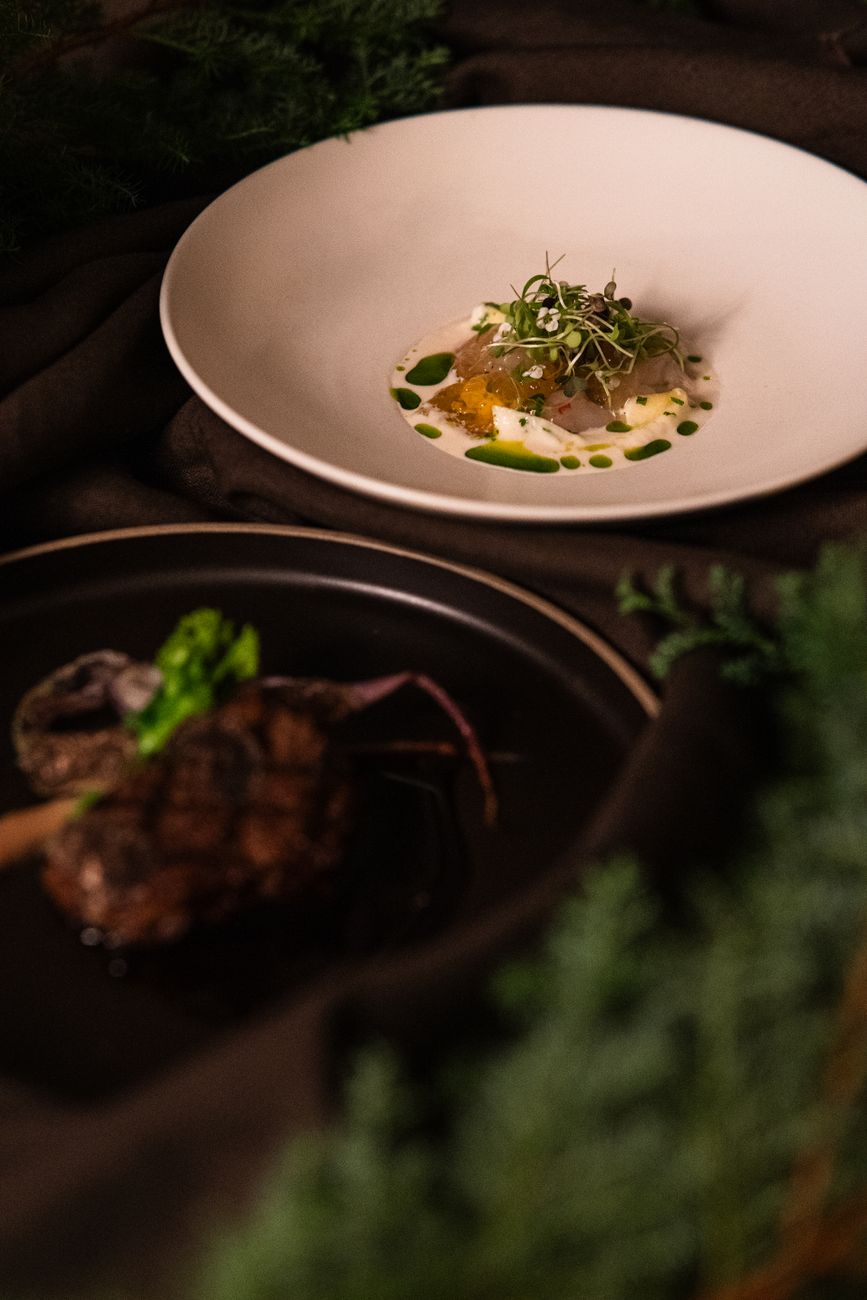
In the narrow wooden alleys of Gion, evening begins with the splash of clear water onto slate cobblestones. This ritual, called uchimizu, cleanses dust and welcomes guests into an intimate world governed not by months, but by seventy-two micro-seasons.
The Rhythm of Dashi and Ceramics
Kaiseki is not merely dinner; it is an architectural expression of a specific afternoon in time. The master chef spends hours balancing the extraction of umami from aged kombu harvested off Hokkaido and shaved bonito wood flakes. No single ingredient is forced to overpower another; instead, sweet turnip simmered in clear dashi speaks of late autumn rainfall.
"The plate is not a canvas to show technical dominance. It is a mirror reflecting what nature is whispering outside the shoji screen."
Vessels used to present each course are often centuries old—antique Imari porcelain and wabi-sabi lacquerware whose deliberate imperfections celebrate the passage of mortal time. Diners are encouraged to hold the bowl with both hands, contemplating texture as deeply as taste.
Navigating Kyoto with Grace
True access to authentic Kaiseki requires humbleness and proper introduction. By respecting time-honored etiquette and engaging with modest curiosity, visitors become welcomed participants in one of the world's most reverent culinary traditions.
Experience Kyoto’s Hidden Tea Houses
Our concierge secures rare private dining invitations and historic ryokan retreats.